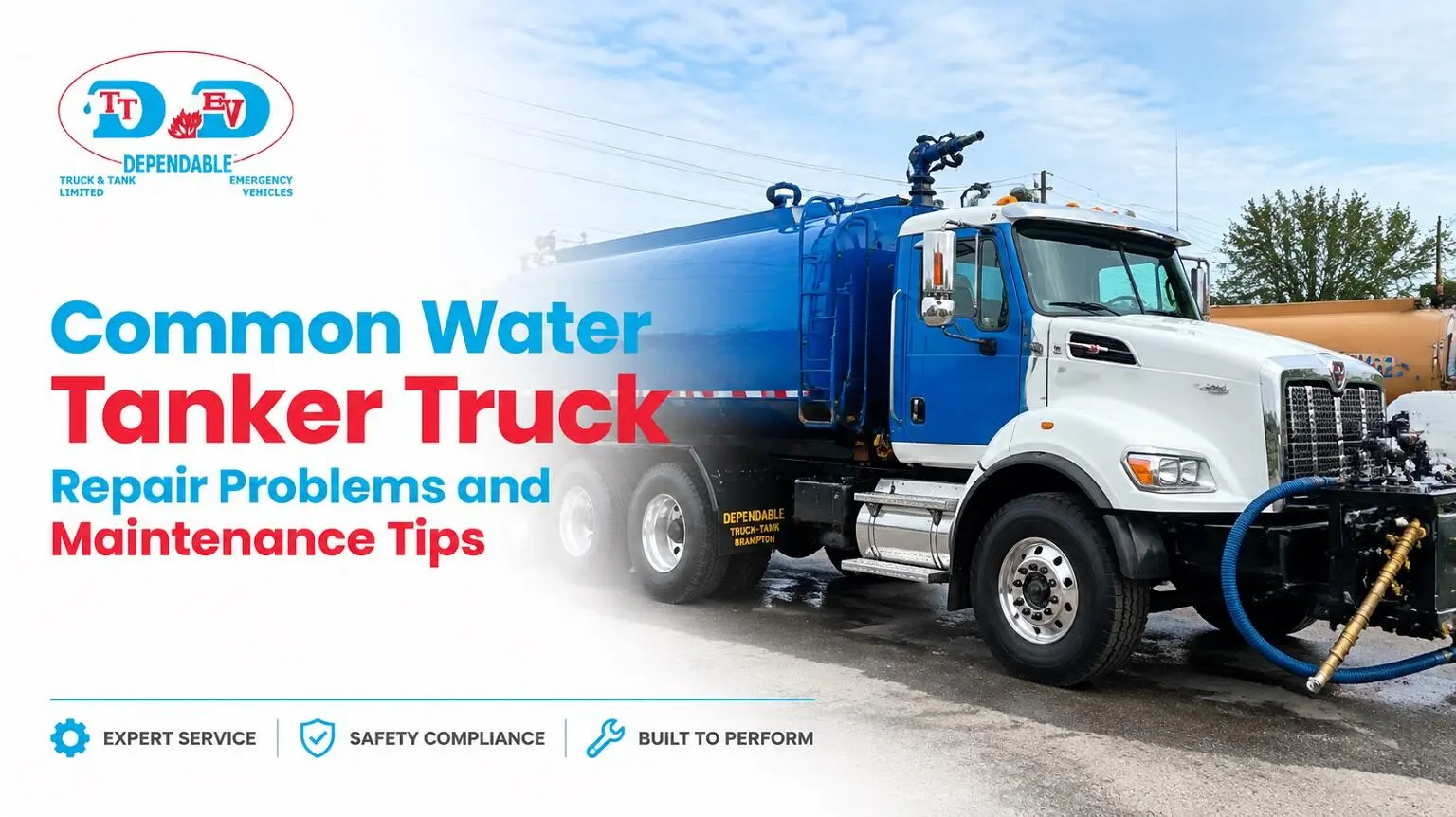
A commercial water tanker truck faces intense daily demands, pairing a heavy-duty diesel chassis with high-stress fluid dynamics and high-output pumping systems. Dedicated water truck maintenance and targeted heavy-duty water truck repair are essential for keeping dust control, construction support, and bulk supply fleets operating without costly interruptions.
This guide provides essential water tanker truck repair tips, delivering immediate answers for common mechanical failures, structured preventive maintenance schedules, and practical field troubleshooting steps that help extend equipment service life.
Here is the revised section with the diagram replaced by structured, clear prose:
Understanding Water Tanker Truck Repair and Maintenance
Complete water tanker truck repair covers both the vehicle chassis and its specialized liquid-delivery payload system. A comprehensive water truck service program keeps engine performance, air brakes, water pumps, spray bars, pneumatic valves, hose reels, and structural tank mounts running in peak condition.
To ensure complete operational reliability, a proper service program balances work across two distinct mechanical areas:
1. Chassis and Engine Systems
The truck’s foundation requires regular heavy-duty mechanical upkeep to handle heavy payloads and pass road safety standards:
- Diesel Diagnostics & Tuning
Electronic ECM scans and fuel system checks to maintain engine performance and prevent forced power derates.
- Air Brakes & Suspension
Regular brake shoe inspections, stroke adjustments, and air line maintenance to safely stop shifting dynamic liquid loads.
- Frame & Axle Alignment
Structural assessments and precision alignments to prevent severe tire wear and frame stress under maximum gross weight.
- DPF & Exhaust Aftertreatment
Scheduled cleaning and diagnostics of diesel particulate filters to keep emissions systems fully compliant.
2. Tank and Water Delivery Systems
The mounted payload delivery apparatus demands specialized care to ensure consistent pumping capacity and leak-free operation:
- Water Pump Seals & Impeller Service: Mechanical seal checks, impeller wear evaluations, and bearing lubrication to prevent fluid leaks and maintain discharge pressure.
- PTO Shaft & Hydraulic Drive Repair: Servicing power take-off units, universal joints, hydraulic motors, and high-pressure lines driving the main pump.
- Pneumatic Spray Valve Actuators: Maintaining air-operated spray heads, control solenoids, and internal diaphragms for dependable distribution and dust control.
- Tank Coating & Weld Crack Inspections: Visual and structural evaluations of internal protective linings, internal baffle integrity, and exterior mounting welds.
Water payloads create massive dynamic sloshing forces during transport. Protecting structural tank integrity and braking responsiveness is just as vital as maintaining pumping capacity.
5 Common Problems Requiring Commercial Water Truck Repair
Consistent water truck fleet maintenance reveals recurring issues unique to liquid hauling operations. Identifying these early protects your operation from unexpected roadside breakdowns.
1. Water Pump Failure and Seal Wear
The main water pump, PTO-driven, hydraulic, or auxiliary-powered, operates under continuous pressure and fluid friction.
- Common Issue: Worn mechanical seals, damaged impellers, dry-run overheating, or bearing collapse.
- Maintenance Action: Inspect pump seal weep holes weekly for fluid leaks. Avoid running the pump on an empty tank to protect seals from burning out.
2. Pneumatic Spray Head and Valve Malfunctions
Air-actuated spray valves regulate dust suppression and targeted discharge.
- Common Issue: Sticky valve actuators, torn diaphragms, air line leaks, or mineral scale restricting water flow.
- Maintenance Action: Drain chassis air tanks daily to prevent moisture contamination in pneumatic valves. Clean spray nozzles regularly to clear sediment deposits.
3. Internal Tank Corrosion and Structural Weld Cracks
Constant water movement puts extreme stress on internal baffles and subframe attachment points.
- Common Issue: Protective coating breakdown, interior rust, and stress fractures along baffle welds.
- Maintenance Action: Schedule a visual water truck inspection of internal tank walls and external frame joints every six months. Touch up protective linings whenever wear appears.
4. PTO and Hydraulic Drive Component Wear
Power take-off (PTO) units and hydraulic drive motors drive the heavy-duty pumps on modern delivery rigs.
- Common Issue: Universal joint wear, hydraulic hose abrasion, low fluid levels, or engagement clutch slippage.
- Maintenance Action: Grease PTO universal joints monthly and monitor hydraulic fluid clarity and operating temperature during heavy usage.
5. Suspension and Air Brake Fatigue
Operating at maximum gross vehicle weight (GVW) strains springs, bushings, shocks, and brake linings continuously.
- Common Issue: Uneven brake wear, cracked leaf springs, leaking air bags, and worn kingpins.
- Maintenance Action: Check brake shoe thickness and air system pressure build-up times during every scheduled PM interval.
Water Truck Maintenance Schedule: Daily to Annual Protocols
Following a structured inspection schedule ensures driver safety, regulatory compliance, and consistent delivery output.
| Inspection Type | Frequency | Key Focus Areas | Performed By |
| Pre-Trip Inspection | Daily | Water level, pump leaks, spray valve response, tire pressure, brake stroke. | Fleet Driver |
| Monthly Service Check | Every 30 Days | PTO greasing, pump seal check, hose reel swivels, hydraulic fluid levels. | Maintenance Technician |
| Semi-Annual Inspection | Every 6 Months | Tank baffle integrity, spray bar alignment, frame welds, suspension bushings. | Certified Inspector |
| Annual Vehicle Overhaul | Annually | Full chassis PM, pump performance test, internal tank liner check, brake rebuild. | Heavy-Duty Mechanic |
Troubleshooting Common Water Delivery Issues
When water delivery or spray systems fail on the job site, use this practical diagnostic guide to resolve the problem fast.
Issue: The Water Pump Has Low Pressure or No Discharge
- Cause: Clogged intake strainer, worn pump impeller, air leak in the suction line, or slipping PTO engagement.
- Solution: Clean the intake strainer basket, check suction hose clamps for air leaks, and confirm correct PTO shaft RPM.
Issue: Spray Heads Fail to Open or Close Completely
- Cause: Insufficient pneumatic pressure, failing solenoid valves, torn internal diaphragms, or debris wedged in the spray head.
- Solution: Check control panel air pressure gauges, inspect pneumatic lines for kinks, and disassemble spray heads to clear blockages.
Issue: Excessive Tank Vibration or Frame Noise While Driving
- Cause: Loose tank tie-down bolts, broken mounting springs, cracked internal baffles, or worn subframe bushings.
- Solution: Torque all tank mounting bolts to specification, inspect subframe mounts, and check internal baffles for structural cracks.
Book Expert Water Tanker Truck Repair With Dependable NS
Preventative maintenance keeps your fleet reliable, compliant, and earning on the road. You can count on Dependable NS for routine water truck maintenance, emergency water tanker repair, or complete water delivery truck repair. Our certified heavy-duty mechanics provide expert service focused on minimizing downtime.
From diesel engine diagnostics and chassis alignment to complete water pump overhauls, spray system repairs, and tank inspections, our Dartmouth facility supports fleets across Nova Scotia, New Brunswick, Prince Edward Island, and Newfoundland and Labrador.
Call or request service online today to book your next water truck service or inspection
Frequently Asked Questions
What causes a water truck pump to lose prime?
A pump loses prime when air enters the suction side through damaged seals, loose fittings, or cracked intake piping. Clearing debris from the strainer and tightening all intake connections restores normal priming.
How often should a water tanker truck undergo an internal tank inspection?
An internal water tanker repair and structural check needs to happen at least once per year. Vehicles operating in harsh environments or hauling water with high mineral content require checks every six months.
Can standard heavy-duty repair shops perform commercial water truck repair?
Standard heavy-duty shops service diesel engines, drivetrains, and air brakes effectively. However, specialized pump overhauls, pneumatic spray system troubleshooting, and tank structural welding require technicians experienced in water delivery truck repair.
How do you prevent winter freeze damage in water tanker trucks?
Drain the tank, pump casing, spray bars, piping, and hose reels completely before freezing temperatures arrive. Running non-toxic antifreeze through auxiliary piping circuits or parking in a heated bay prevents cracked pump housings.