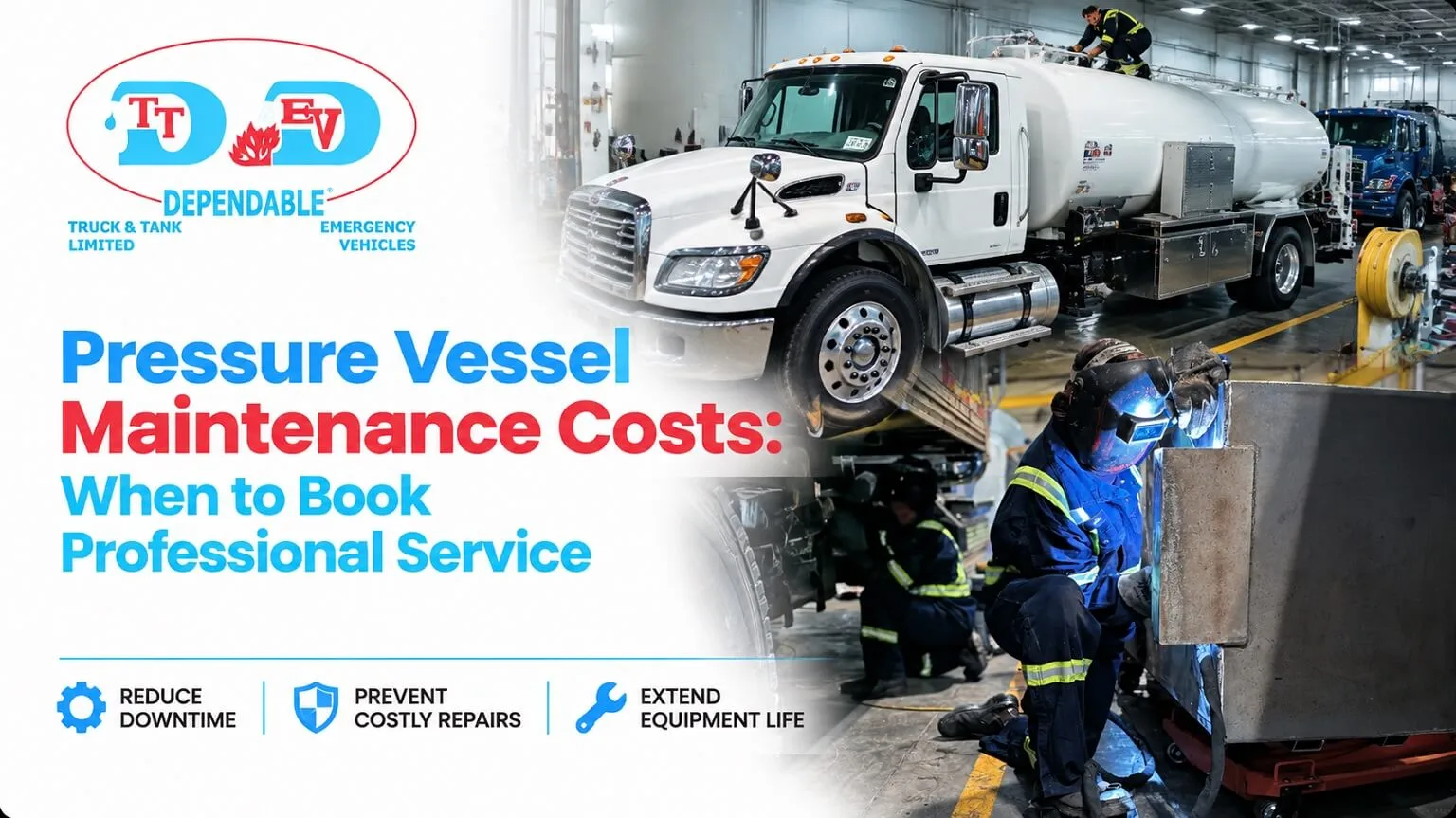
Pressure vessel maintenance costs come down to timing more than anything else. A corrosion spot caught early is a repair. The same spot ignored for two years is a vessel replacement. Booking professional service at the first warning sign is consistently the cheapest path through the life of a tank.
Regular inspections and scheduled servicing play a key role in extending tank performance and preventing unexpected failures. A proper Pressure Vessel Maintenance plan helps detect corrosion, structural damage, and safety concerns early, allowing repairs to be completed before they lead to costly downtime or full vessel replacement.
What Actually Drives the Cost of Maintenance?
The cost isn’t random. A handful of factors decide whether a service visit is routine or expensive.
- Vessel age and service history
Older tanks with sparse inspection records cost more to certify because more has to be checked from scratch.
- What the vessel carries
Corrosive or high-pressure contents wear a tank faster than inert products, which shortens the interval between inspections.
- How long a problem has been present
A hairline issue caught during routine service costs a fraction of the same issue found after it has spread.
- Access and downtime
A vessel that has to come off a chassis or out of a fleet rotation adds labor and lost-use cost on top of the repair itself.
Fleets that treat pressure vessel maintenance as a scheduled line item, rather than a reaction to a failed inspection, consistently spend less over the life of the vessel. This is true across the industry, but shops offering pressure vessel maintenance in Canada also rely on regional inspection standards and seasonal wear, which can shift the ideal service interval.
What Are the Pressure Vessel Failure Signs You Shouldn’t Ignore?
Pressure vessel failure signs rarely appear without warning. The vessel usually gives some indication before a failure becomes safety-critical, and catching that indication early is what keeps costs low.
Watch for:
- Surface rust or pitting, especially near welds or fittings
- Bulging, denting, or visible deformation anywhere on the shell
- Hissing, whistling, or any sound suggesting a pressure leak
- Discoloration around welds, which can indicate heat damage or fatigue
- A vessel that fails to hold pressure during a routine check
None of these confirm a serious problem on their own. But any one of them is a reason to book an inspection rather than wait for the next scheduled service, since acting on early pressure vessel failure signs is almost always cheaper than waiting for confirmation.
Ignore It vs. Address It Early
| Warning Sign | Cost to Address Early | Cost If Ignored |
| Surface corrosion | Cleaning, coating, minor patch repair | Full section replacement, possible vessel failure |
| Weld discoloration | Weld inspection, localized repair | Weld failure, potential leak or rupture |
| Minor pressure loss | Seal or fitting replacement | Vessel decertification, extended downtime |
| Small dent or deformation | Assessment, monitoring, or minor repair | Structural weakening, mandatory recertification failure |
How Much Does Pressure Vessel Maintenance Cost in Canada?
Pressure vessel maintenance cost varies widely depending on vessel size, material, and how much active damage the shop finds. A routine inspection with no findings is the low end. A vessel needing weld repair, recoating, or partial structural work sits considerably higher, and a vessel that failed inspection and needs recertification work is the most expensive outcome of all.
The honest answer is that pressure vessel maintenance cost isn’t fixed; it’s earned or avoided based on how consistently a fleet keeps up with service. A shop can only give an accurate number once they’ve inspected the specific vessel, but every year a known issue goes unaddressed, the eventual bill grows.
Corrosion, Welds, and Cracks: The Three Biggest Cost Drivers
Nearly every expensive pressure vessel repair traces back to one of three root causes.
Corrosion
Pressure vessel corrosion prevention through coatings, proper drainage, and material selection is far cheaper than repairing corrosion damage after the fact. Once corrosion has thinned a shell wall below its rated thickness, patching is no longer an option and section replacement becomes necessary.
Welds
Tanker weld inspection and weld fatigue detection catch stress cracking before it propagates through a seam. Welds are the most common failure point on a pressure vessel because they concentrate stress differently than the surrounding material, and fatigue in a weld rarely announces itself until it’s already advanced.
Cracks
Pressure vessel crack detection relies on trained inspection, not visual guesswork. A crack that’s invisible to the eye can still be structurally significant, which is why proper non-destructive testing matters more than a quick walk-around.
What Happens During a Professional Integrity Assessment?
A pressure vessel integrity assessment follows a defined process to catch problems before they become failures.
- Visual inspection.
The technician checks the full exterior for corrosion, deformation, and visible weld issues.
- Non-destructive testing.
Methods such as ultrasonic thickness testing and dye penetrant inspection check for cracks and wall thinning that aren’t visible to the eye.
- Weld evaluation.
Every weld seam is checked specifically, since this is where most structural failures originate.
- Pressure testing.
The vessel is tested to confirm it holds its rated pressure without leaking or deforming.
- Documentation and certification.
Results are recorded against the applicable standard, and the vessel is certified or flagged for repair.
Why Work With a Certified Pressure Welding Company?
Repair welding on a pressure vessel isn’t a job for a general welding shop. A certified pressure welding company follows procedures qualified to the vessel’s code requirements, using welders certified for pressure work specifically. A weld repair done outside those procedures can pass a visual check and still fail under pressure.
This matters just as much for commercial tank structural restoration work, where a section of shell is being replaced or reinforced rather than just patched. The restoration has to match the vessel’s original design pressure and material spec, not just look intact from the outside. Working with a certified pressure welding company for this kind of repair is what keeps the vessel’s certification valid once the work is done.
Related Services That Extend Vessel Life
Two additional checks are often bundled with pressure vessel service because they catch problems early enough to prevent bigger repairs.
Tank trailer leak detection identifies small seal or fitting leaks before they become a larger structural concern, and it’s a quick addition to any scheduled inspection. Propane and fuel meter calibration keeps metered products accurate and compliant, and a miscalibrated meter is often flagged during the same visit as a pressure vessel check.
When Should You Book Professional Service?
Book service as soon as any of the following apply:
- The vessel is due for its scheduled inspection interval
- You’ve noticed corrosion, discoloration, or deformation anywhere on the shell
- There’s any sign of pressure loss, even a small one
- A weld looks different than it did at the last inspection
- The vessel is approaching a recertification deadline
Waiting for a vessel to fail an inspection outright is the most expensive way to find out it needs attention. If any of these signs sound familiar, book a pressure vessel inspection with Dependable NS before a manageable issue turns into a costly one.
FAQ
How often should a pressure vessel be inspected?
Inspection intervals depend on the vessel’s contents, age, and applicable regulations, but most commercial vessels need at least an annual check, with more frequent monitoring for vessels showing early warning signs.
What’s the difference between corrosion damage and a crack?
Corrosion is gradual material loss from the surface inward, while a crack is a structural fracture that can develop from fatigue, stress, or advanced corrosion. Both require different repair approaches, which is why proper diagnosis matters before any repair begins.
Can a pressure vessel be repaired, or does it need to be replaced?
Most corrosion and weld issues caught early can be repaired. Vessels with extensive wall thinning, large structural cracks, or repeated failed inspections are more likely to need replacement.
Why does weld quality matter so much on a pressure vessel?
Welds are where stress concentrates most on a pressure vessel, making them the most common point of failure. A weld completed by a shop without pressure-certified procedures can look fine visually while still being structurally unreliable.
Does routine maintenance actually lower long-term costs?
Yes. Fleets that keep up with scheduled inspection and address warning signs early consistently spend less than fleets that wait until a vessel fails certification.