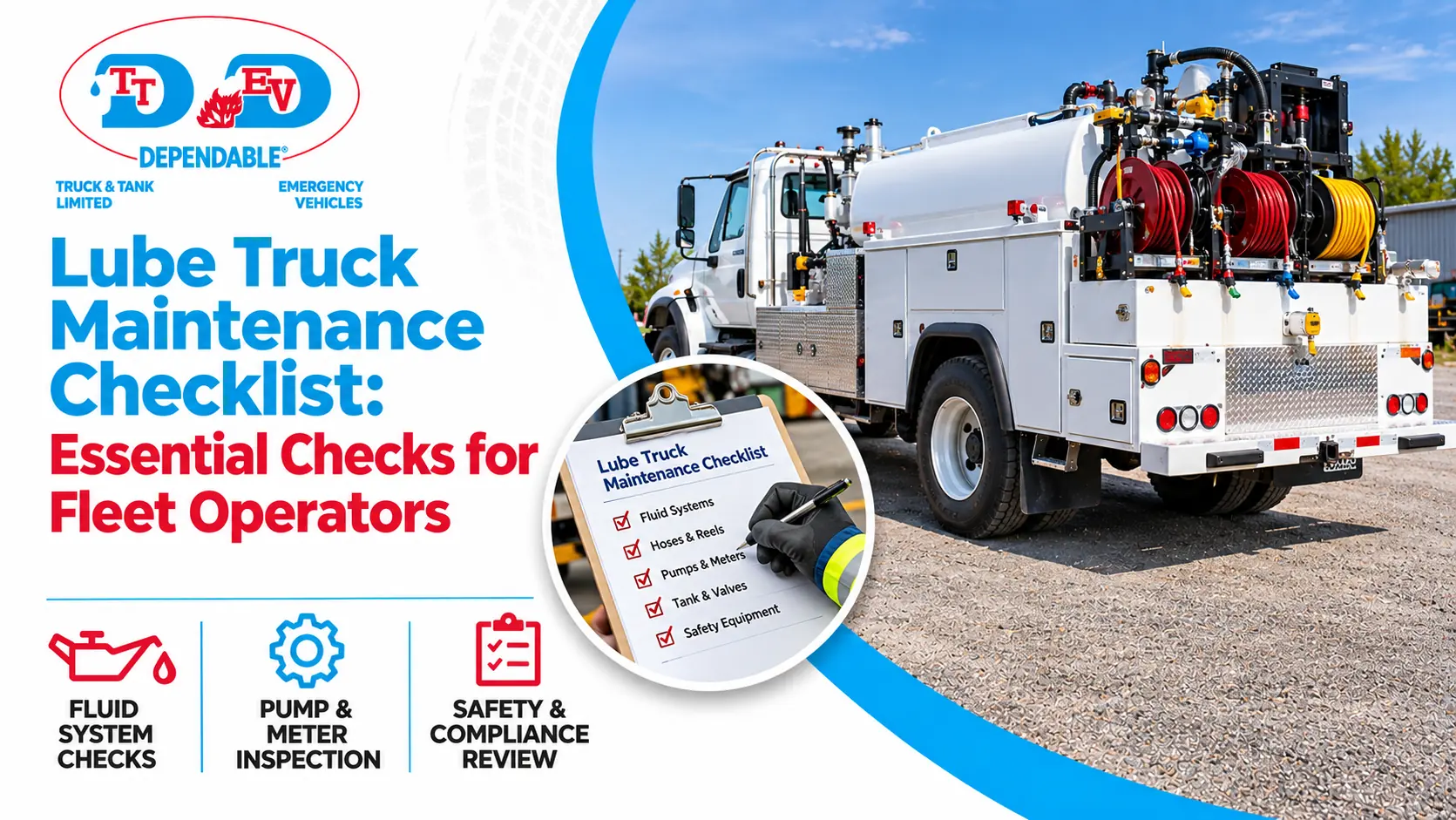
Lube trucks play an important role in keeping heavy equipment operating in industries such as construction, mining, agriculture, and transportation. These vehicles deliver lubricants and other fluids to equipment in the field, helping reduce unnecessary trips to a workshop and supporting day-to-day operations.
However, a lube truck relies on more than its engine and chassis. Pumps, hoses, reels, meters, tanks, valves, power take-off (PTO) systems, and other fluid-delivery components must also work correctly. Neglecting these systems can lead to leaks, inaccurate dispensing, equipment damage, safety concerns, and unexpected downtime.
A consistent lube truck maintenance checklist helps fleet operators identify developing problems, plan repairs, and keep vehicles ready for work. It also gives drivers and maintenance teams a clear process for checking both the truck and its specialised equipment.
This guide explains the essential checks to include in a routine maintenance plan, how often to perform them, and when to arrange professional service.
Why Lube Truck Maintenance Matters
Regular lube truck maintenance supports reliable operation, protects valuable equipment, and helps prevent small defects from becoming costly repairs. A truck may still be roadworthy while its dispensing system has a problem, so inspecting the vehicle alone is not enough.
A well-maintained lube truck can help fleet operators:
- Reduce unplanned downtime and avoidable service interruptions.
- Identify fluid leaks before they cause contamination or equipment damage.
- Maintain consistent fluid delivery and dispensing performance.
- Protect pumps, hoses, reels, valves, and other installed equipment.
- Improve workplace safety for drivers and service technicians.
- Plan repairs and replacement parts before a breakdown occurs.
Maintenance needs vary according to the truck’s design, operating environment, workload, and the equipment installed. A unit working long shifts in dusty, muddy, or cold conditions may require closer attention than one used occasionally in a controlled environment.
The best approach combines daily checks, scheduled preventive maintenance, and inspections based on the manufacturer’s recommendations and the truck’s actual operating history.
The Essential Lube Truck Maintenance Checklist
Use the following checklist as a practical starting point. Adapt it to the vehicle manufacturer’s instructions, the pump and reel manuals, your workplace procedures, and applicable provincial or territorial requirements.
1. Inspect the Engine and Chassis
Start with the basic mechanical condition of the truck. A problem with the engine, cooling system, brakes, or tyres can take the entire service unit out of operation, even when its dispensing equipment is working properly.
Check the following:
- Engine oil: Check the level and condition according to the manufacturer’s procedure. Look for signs of contamination or an unexpected change in level.
- Coolant: Inspect the coolant level when safe to do so. Never remove a pressurised radiator cap from a hot engine.
- Belts and hoses: Look for cracks, fraying, bulges, loose connections, or visible leaks.
- Tyres and wheels: Check tyre condition, inflation, visible damage, and wheel security as required by the applicable inspection procedure.
- Brakes and steering: Look for warning signs, abnormal operation, and defects that require inspection by a qualified technician.
- Lights and electrical systems: Confirm that required lights, indicators, alarms, and other vehicle electrical components operate correctly.
- Battery: Inspect accessible connections and the battery area for corrosion, damage, or signs of leakage.
Also look beneath the vehicle for fresh fluid spots. Engine oil, coolant, fuel, and hydraulic fluid leaks should be identified and assessed before the truck is put to work.
Complete the applicable commercial vehicle trip inspection and record defects as required by the rules governing the vehicle and its jurisdiction. A general maintenance checklist does not replace a legally required inspection.
2. Check Tanks, Fluid Compartments, and Connections
Lube trucks may carry different lubricants or service fluids in separate tanks or compartments. The condition of these components affects fluid quality, safe storage, and reliable delivery.
Include these checks:
- Inspect tanks and compartments for visible damage, corrosion, loose mounting hardware, and signs of leakage.
- Check accessible caps, covers, vents, and fill connections for damage and secure fit.
- Examine visible hoses, couplings, valves, and fittings for leaks, wear, or looseness.
- Confirm that labels and fluid identification markings remain clear and readable.
- Check that tank mounting points and restraints show no obvious signs of movement or damage.
- Look for signs of cross-contamination, including unexpected residue or fluid that does not match the intended product.
Do not assume every tank is designed for the same fluid, pressure, or cleaning method. Follow the tank and equipment specifications, and use the approved procedures for filling, cleaning, and handling lubricants.
If a tank, mount, fitting, or connection is cracked, significantly corroded, or leaking, take the affected equipment out of service when necessary and arrange a qualified assessment.
3. Inspect Pumps and Dispensing Equipment
The pump is one of the most important components of a lube truck. It must deliver the intended fluid at a rate and pressure suitable for the installed system and the application.
Effective lube truck equipment checks should include the pump, hoses, reels, meters, valves, and dispensing guns.
Inspect for:
- Visible leaks around pump housings, seals, fittings, and connections.
- Unusual noise, vibration, overheating, or changes in normal operating behaviour.
- Damaged hoses, cracked outer covers, exposed reinforcement, or worn couplings.
- Hose reels that bind, unwind unevenly, or fail to retract as designed.
- Dispensing guns and valves that leak, stick, or fail to close properly.
- Damaged meter displays, controls, or electrical connections.
- Loose mounts, missing fasteners, and signs of excessive movement.
Where an operational test is required, follow the equipment manufacturer’s procedure and keep personnel clear of moving components and fluid discharge points. Do not exceed the specified operating pressure or speed to test performance.
If the pump loses output, runs irregularly, or develops an unusual sound, avoid repeatedly operating it in an attempt to clear the problem. The cause may be a restriction, air entering the system, a fluid supply issue, worn components, or another fault that requires diagnosis.
4. Include Routine Lube Truck Pump Maintenance
Lube truck pump maintenance should follow the instructions for the exact pump model and fluid being handled. Different pump types have different lubrication needs, operating limits, seals, filters, and service intervals. One universal schedule is not appropriate for every installation.
A routine service plan may include:
- Checking for leakage, abnormal noise, vibration, and heat.
- Verifying the fluid supply and inspecting accessible suction and discharge connections.
- Inspecting strainers or filters, where fitted, and servicing them at the specified interval.
- Checking seals, couplings, and mounting hardware according to the service manual.
- Confirming that the pump operates within its specified pressure and speed limits.
- Reviewing service records for recurring faults or changes in performance.
- Replacing approved wear parts when inspection or scheduled maintenance indicates a need.
Use only the fluids, lubricants, seals, filters, and replacement components specified or approved for the equipment.
Never run a pump dry unless its manufacturer explicitly permits that operating condition. Some pumps can be damaged quickly if they lose their required fluid supply or lubrication.
A pump that repeatedly loses prime, struggles to deliver fluid, overheats, or produces inconsistent output should be assessed rather than adjusted by guesswork. Correct diagnosis can help avoid replacing serviceable components unnecessarily.
5. Inspect the PTO and Drive System
Many lube trucks use a power take-off (PTO) to transfer power from the vehicle’s drivetrain to an auxiliary pump or other equipment. Because the PTO and its associated drive components are connected to the vehicle, they require careful inspection and correct operation.
Include the following items where applicable:
- Check for visible oil leaks around the PTO housing and associated connections.
- Look for loose mounts, damaged guards, worn couplings, or signs of misalignment.
- Review any unusual vibration, noise, or changes during engagement.
- Confirm that the controls and required safety interlocks function as intended.
- Check that the PTO engages and disengages according to the approved operating procedure.
- Inspect accessible wiring, switches, and indicators for damage.
Do not inspect or adjust rotating drive components while they are operating. Before maintenance, secure the vehicle, shut down the engine when required, disengage the PTO, and follow the manufacturer’s isolation procedure. Components may remain hot or retain stored energy after shutdown.
PTO engagement requirements differ by truck, transmission, and installed equipment. Operators should follow the correct sequence for their particular system rather than relying on a general procedure.
If the PTO slips, fails to engage, makes unusual noises, or causes excessive vibration, stop using the affected equipment and arrange a professional inspection.
6. Examine Hoses, Reels, Meters, and Fluid Controls
Hoses and dispensing components are exposed to repeated movement, pressure, handling, and contact with dirt or equipment. Their condition can directly affect the reliability of field servicing.
As part of your lube truck maintenance checklist, examine each hose along its accessible length. Look for cuts, abrasion, kinks, flattened sections, blistering, exposed reinforcement, and damaged end fittings. Check that hoses are routed and secured correctly, away from sharp edges, hot surfaces, and moving parts.
For reels, check the mounting points, guide mechanisms, hose alignment, and retraction function. Do not use a damaged reel or force a jammed mechanism.
For meters and controls, look for damaged screens, loose connections, sticking controls, and signs of leakage. Where dispensing accuracy is important, follow the meter manufacturer’s calibration and verification requirements. Do not assume a meter is accurate simply because its display turns on.
Also check that fluid labels and dispensing points are clearly identified. Correct identification helps reduce the risk of delivering the wrong lubricant to expensive machinery.
Replace damaged pressure-rated hoses and fittings with components suitable for the application. Temporary fixes such as tape or improvised clamps are not an appropriate repair for a pressurised fluid line.
7. Review the Electrical System and Controls
Modern lube trucks may use electrical controls, level indicators, pump switches, monitoring systems, and other auxiliary equipment. Electrical faults can affect dispensing reliability and may create additional safety risks.
Check accessible wiring for chafing, exposed conductors, damaged insulation, loose connectors, and signs of moisture or corrosion. Verify that switches, displays, warning indicators, and installed controls respond as expected.
Keep electrical connections protected as specified by the equipment manufacturer, especially when the truck operates outdoors in rain, snow, mud, or washdown conditions.
If a fuse repeatedly fails, a circuit overheats, or controls operate intermittently, investigate the underlying cause. Replacing a fuse with a higher-rated one or bypassing a safety interlock can create a serious hazard.
Electrical diagnosis and repairs should be completed by appropriately qualified personnel using the correct wiring information and procedures.
8. Prepare the Truck for Canadian Weather
Canadian operating conditions can place extra demands on trucks and their auxiliary equipment. Cold starts, road salt, freeze-thaw cycles, snow, and wet working environments can contribute to corrosion, stiff components, battery problems, and fluid-handling issues.
Seasonal maintenance should be based on the truck’s location, operating conditions, and manufacturer guidance.
Before winter, consider:
- Checking the battery and charging system.
- Confirming that engine coolant and other vehicle fluids meet the manufacturer’s cold-weather specifications.
- Reviewing whether lubricants and pump fluids are suitable for the expected temperature range.
- Inspecting exposed hoses, seals, wiring, and fittings for damage.
- Checking heaters or other cold-weather equipment, if installed.
- Verifying that lights, visibility equipment, steps, and access points are in good condition.
In wet or salty conditions, inspect the chassis, brackets, fasteners, electrical connections, and exposed equipment for corrosion. Clean the truck using methods appropriate for its electrical and fluid systems, and avoid directing high-pressure water at components that could be damaged.
Do not use an improvised heating method to warm tanks, pumps, or lines. Follow the approved cold-weather starting, storage, and thawing procedures for the equipment.
9. Check Safety Equipment and Worksite Readiness
A lube truck often operates near heavy machinery, moving vehicles, and equipment under maintenance. Routine checks should therefore cover the equipment needed to work safely, not just mechanical performance.
Depending on the truck and its assigned work, check:
- Required vehicle safety equipment and emergency supplies.
- Fire extinguisher condition and inspection status, where fitted or required.
- Spill-control materials and appropriate fluid-handling supplies.
- Warning lights, alarms, and other installed safety devices.
- Steps, handholds, access points, and storage compartments.
- Guards and protective covers for moving or rotating components.
- Secure storage of tools, hoses, and loose equipment.
Before servicing machinery, confirm that the work area is suitable and that the relevant site procedures are followed. Park on a stable surface, secure the vehicle, and maintain safe separation from moving equipment.
Never search for a hydraulic or pressurised fluid leak with bare hands. High-pressure fluid can penetrate the skin and cause a serious medical emergency. Stop the system and use the approved isolation and inspection procedure. Suspected injection injuries require immediate emergency medical attention, even if the wound appears small.
10. Review Records and Schedule Preventive Maintenance
A checklist is most effective when it produces consistent records and timely action. Without documentation, repeated leaks, pump problems, and recurring electrical faults can be overlooked.
A useful maintenance record should include:
- Vehicle identification and odometer or engine-hour readings, where applicable.
- Date of inspection or service.
- Components inspected and any defects identified.
- Repairs completed and parts replaced.
- Outstanding issues and whether the truck is restricted from use.
- The next inspection or service due date.
- The name or identification of the person completing the work.
Use these records to identify recurring failures, monitor component life, and plan workshop time. Service intervals should follow the applicable vehicle and equipment manuals, operating hours, workload, and maintenance history rather than an arbitrary one-size-fits-all schedule.
A structured preventive maintenance program can help fleet managers plan servicing before a predictable maintenance need becomes an operational disruption. The program should define inspection responsibilities, service intervals, defect escalation, record-keeping, and the criteria for returning equipment to service.
How Often Should a Lube Truck Be Inspected?
There is no single inspection frequency that fits every lube truck. A practical schedule combines checks before use, regular detailed inspections, and maintenance at the intervals specified by the relevant manufacturers.
| Frequency | Recommended focus |
|---|---|
| Before operation or as required by the applicable trip-inspection rules | Vehicle safety, visible leaks, tyres, lights, obvious damage, and defects affecting safe operation |
| During and after use | Abnormal noise, vibration, temperature, leaks, dispensing issues, and newly observed damage |
| At scheduled service intervals | Pump and PTO service, filters where fitted, hoses, reels, electrical systems, and other items specified in service manuals |
| Seasonally or before a major change in operating conditions | Cold-weather readiness, corrosion, fluid suitability, battery condition, and exposed components |
| After a fault, repair, or unusual operating event | Targeted inspection and functional checks before the affected equipment returns to service |
This is a planning framework, not a replacement for the truck’s required inspection schedule or component-specific service intervals. Canadian commercial vehicle inspection rules vary by jurisdiction and vehicle category. Fleet operators should confirm the requirements that apply to their vehicles and operations.
Common Warning Signs Fleet Operators Should Not Ignore
Some faults are easy to overlook when a truck still appears to be working. Operators should report changes in performance promptly, including:
- Slower dispensing: Possible causes include a restricted line, fluid supply issue, pump wear, or another system fault.
- Unusual pump noise or vibration: May indicate a developing mechanical problem, air entering the system, misalignment, or another issue that requires diagnosis.
- Recurring fluid leaks: Can point to damaged hoses, worn seals, loose connections, or component damage.
- Inconsistent meter readings: May require checks of the meter, fluid flow, connections, or calibration status.
- PTO engagement problems: Can indicate a control, drive, lubrication, or mechanical issue.
- Electrical faults: Intermittent controls, repeated fuse failures, and warning indicators should be investigated.
- Unexpected overheating: Stop the affected equipment when continued operation could cause damage or create a hazard.
A warning sign does not always identify the failed component. Record what happened, when it occurred, and any relevant operating conditions. This information can help a qualified technician diagnose the problem efficiently.
When to Arrange Professional Maintenance or Repairs
Routine checks help identify problems, but not every issue should be repaired by the driver or operator. Professional assessment is appropriate when a defect involves pressurised systems, rotating drive components, electrical faults, damaged tanks or mounts, recurring pump problems, or safety-critical vehicle systems.
Depending on the fault, service may involve pump inspection, replacement of approved wear components, hose and fitting repairs, PTO diagnosis, electrical troubleshooting, or a broader mechanical inspection.
If the truck needs specialised equipment installed or substantially modified, planning also matters. Well-designed lube truck builds should account for the intended fluids, equipment layout, payload, access for maintenance, safe hose routing, and compatibility between the vehicle and auxiliary systems. Similarly, custom truck builds should be designed around the actual operating requirements rather than simply adding components to the available space.
Where a new or replacement power take-off is needed, qualified PTO installation services can help ensure that the selected equipment is compatible with the vehicle and driven equipment. When a pump is damaged or performing poorly, suitable pump repair services should begin with diagnosis and the applicable manufacturer’s specifications, not guesswork.
The goal is to identify the cause, correct the fault, and verify safe operation before returning the equipment to service.
Conclusion
A reliable lube truck depends on the condition of both the vehicle and its fluid-delivery equipment. Regularly checking the engine, chassis, tanks, pumps, PTO, hoses, reels, meters, electrical controls, and safety equipment helps fleet operators identify problems before they develop into larger disruptions.
Use this lube truck maintenance checklist as a foundation for a documented maintenance routine, then tailor it to the truck’s configuration, manufacturer instructions, workload, and applicable Canadian requirements. Consistent inspections and timely repairs can support safer operation, better equipment reliability, and more predictable maintenance planning.
Keep Your Lube Truck Ready for Work with Dependable NS
A maintenance issue can interrupt field servicing and put pressure on the rest of your fleet. Dependable Truck & Tank Nova Scotia provides commercial fleet mechanical services and supports specialized lube truck builds, PTO installations, and pump-related repairs for operators across Nova Scotia and Atlantic Canada. Keep your lube truck ready for the next job. Contact Dependable NS today to request an inspection, schedule repairs, or discuss preventive maintenance for your service vehicle.
Frequently Asked Questions
1. What should be included in a lube truck maintenance checklist?
A checklist should cover the truck’s engine, chassis, tyres, brakes, lights, tanks, fluid connections, pumps, PTO, hoses, reels, meters, electrical controls, and safety equipment. It should also include defect reporting, maintenance records, and scheduled service items based on the manufacturer’s instructions.
2. How often should lube truck pumps be serviced?
The correct interval depends on the pump model, fluid type, operating hours, workload, and working environment. Follow the pump manufacturer’s service schedule and inspect for leaks, abnormal noise, vibration, heat, and changes in dispensing performance between scheduled services.
3. What causes a lube truck pump to lose performance?
Possible causes include a restricted fluid supply, a blocked strainer or filter where fitted, air entering the system, worn components, damaged seals, or operation outside the pump’s specified limits. A technician should diagnose the cause before parts are replaced or settings are adjusted.
4. Why are PTO inspections important on lube trucks?
The PTO transfers power from the truck’s drivetrain to auxiliary equipment on systems designed that way. A fault in the PTO or its drive components can interrupt pump operation and may create mechanical or safety risks. Inspect for leaks, damage, unusual noise, vibration, and engagement problems according to the applicable service instructions.
5. Does Canadian winter weather affect lube truck maintenance?
Yes. Cold temperatures can affect starting, battery performance, fluid behaviour, hoses, and seals, while road salt and moisture can contribute to corrosion. Fleet operators should follow manufacturer guidance for cold-weather fluids, starting procedures, storage, and seasonal inspections.
6. Can a general checklist replace a required commercial vehicle inspection?
No. A maintenance checklist is a supplementary tool. Fleet operators must follow the applicable provincial or territorial commercial vehicle inspection requirements, along with the truck and equipment manufacturers’ maintenance instructions.
7. When should a lube truck be taken out of service?
A truck or affected system should not continue operating when a defect creates an unsafe condition or could cause further damage. Examples include serious leaks, damaged pressure-rated hoses, malfunctioning safety devices, unsafe vehicle defects, or abnormal pump or PTO operation. Follow company procedures and obtain a qualified assessment before returning affected equipment to service.